
₹702.86 crore.
That is the amount the Government of India says it has spent over the last three years preparing Indian athletes for the 2026 Asian Games in Aichi-Nagoya, Japan.
At first glance, it is a big number.
But for Indian sport, the more important question is not simply how much money was spent. It is where that money went and whether athletes actually got what they needed to compete at the highest level.
What the ₹702 Crore Actually Covers
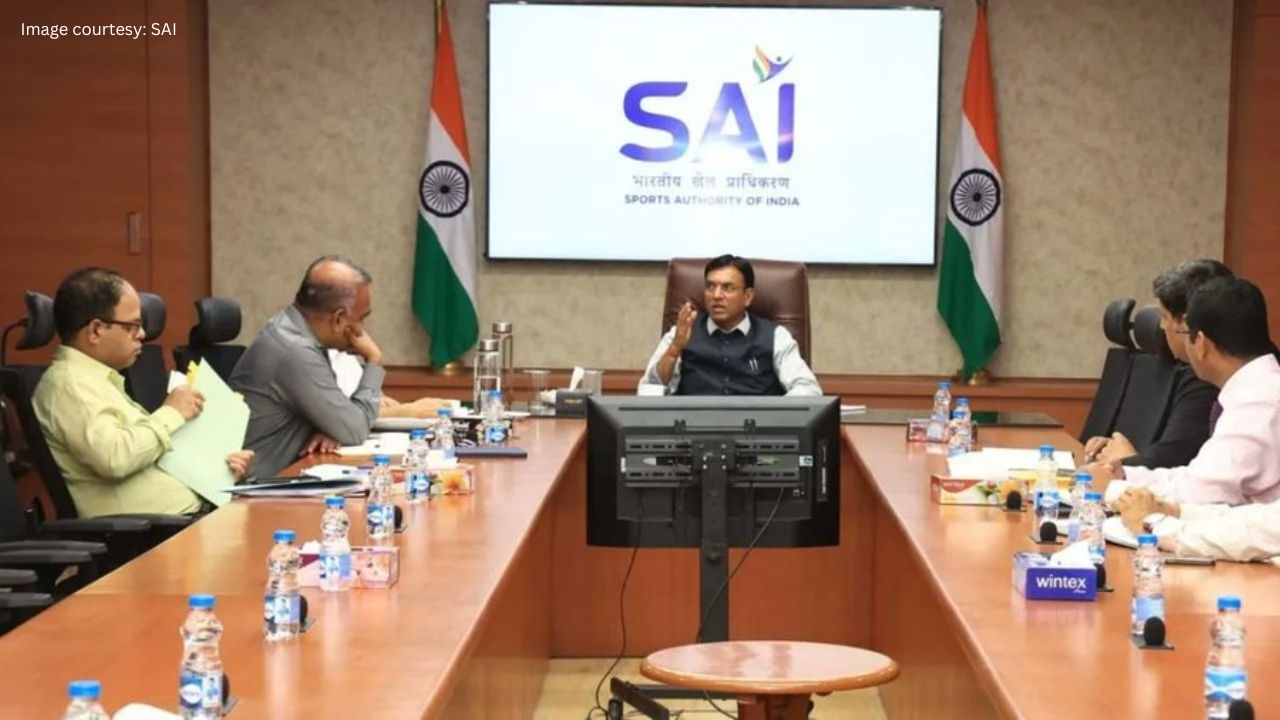
According to the Sports Ministry, ₹702.86 crore was spent through the Annual Competition and Training Calendar (ACTC) during the current Asian Games preparation cycle.
Another ₹97.84 crore was spent through the Target Olympic Podium Scheme (TOPS).That takes the combined spending on athlete preparation to around ₹800.70 crore.
Here is how the ACTC spending of ₹702.86 crore was divided:
| Area | Amount |
|---|---|
| International Competition Exposure | ₹251.4 crore |
| Domestic Training / NCC | ₹118.3 crore |
| Other Expenses | ₹117.9 crore |
| Equipment Support | ₹89.2 crore |
| Foreign Experts | ₹86.3 crore |
| Overseas Training | ₹39.8 crore |
| Total | ₹702.86 crore |
The biggest share ₹251.4 crore went towards international competition exposure. And that makes sense. An athlete cannot prepare for the Asian Games simply by training at home. They need to compete against strong international opponents, travel to major competitions, experience different conditions and understand where they stand against the world’s best.
But the spending raises some bigger questions too.
Is It Enough, and Is It Spent Well?
Compared to countries like China, the US, or even Japan’s own investment in home-Games preparation, ₹702 crore over three years is a modest figure. And money alone doesn’t guarantee medals, how it’s spent matters just as much as how much is spent?
The breakdown above suggests the ministry is prioritising correctly by weighting spending toward competitive exposure over domestic training alone. But questions worth asking, and that the numbers alone can’t answer, include: are the “foreign experts” (₹86.3 crore) genuinely elite-level coaches, or a more general hiring pool? Is ₹89.2 crore on equipment enough to keep athletes on par with world-class gear across 36 different disciplines? And what exactly falls under the vague ₹117.9 crore “other expenses” line this is the kind of category that deserves more transparency from the ministry rather than being left unexplained.
If India is serious about not just competing but dominating at multi-nation events and about being a credible Olympic host by 2036 the direction shown by this spending is encouraging, but the scale will likely need to grow considerably in the years ahead. A one-time announcement of a budget increase means little without sustained, well-audited spending on the specific things that convert training into medals: coaching quality, sports science, and long-term athlete welfare.
The Asian Games will show what this investment produces on the field. After that, the focus should move towards Los Angeles 2028, Ahmedabad 2030 and the longer-term development of Indian sport. If India wants to become a stronger sporting nation, the goal cannot simply be to spend more before every major event. It has to be about building a system where athletes get the right support year after year. Because ultimately, athletes don’t compete with a ₹702 crore number.
They compete with the training, coaching, equipment, preparation and support that money creates. And that is where the real measure of India’s sporting investment will be.