

What just happened, and keeps happening, with India and its athletes? Is there no credibility left for Indian athletes on the world stage?
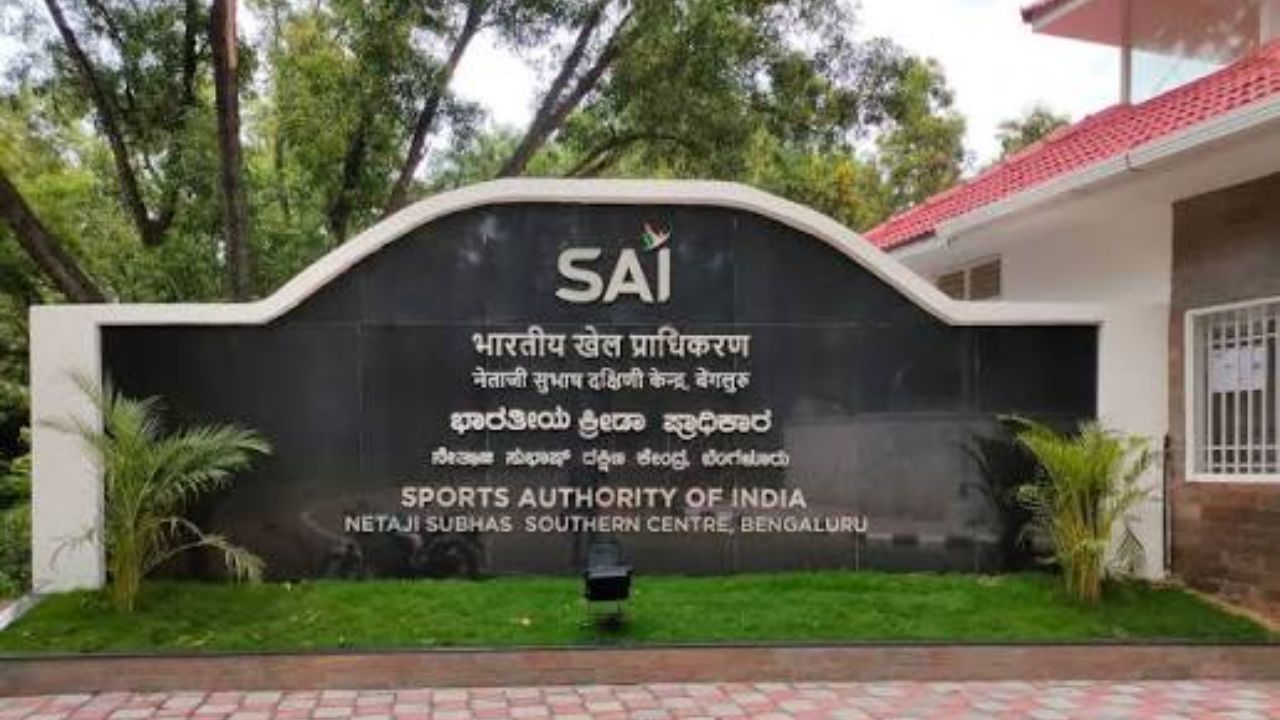
why I’m asking. At 6 a.m. this morning, the World Anti-Doping Agency (WADA) visited the SAI Center in Bengaluru to conduct dope tests on Indian athletes — this after already spending two days doing the same at Bhubaneswar. Now they’ve shown up in Bengaluru at 6 a.m. specifically to test our athletes.
There’s nothing wrong with WADA conducting dope tests. But at 6 a.m., unannounced? That timing and the surprise element say a lot about how much trust the world currently has in Indian athletes.
The Indian contingent is preparing for the Asian Games, which begin September 19 in Japan, with training camps underway in Bhubaneswar and Bengaluru. That’s exactly why WADA chose this moment for surprise testing most of the athletes bound for the 2026 Asian Games are training at these two centers right now. This is a completely fair and standard practice: it ensures every athlete competes clean and under the rules.
But many people are asking: why does this keep happening to India specifically? The answer isn’t complicated. India has one of the worst doping records among competing nations, and barely a week goes by without news of another athlete testing positive and facing suspension. At the 2026 Commonwealth Games in Glasgow, India sent a contingent, and multiple athletes were pulled from the squad over doping-related issues before the Games even began some tested positive themselves, others lost their places because of violations elsewhere in their federation’s qualifying window. In the past week alone, India has recorded two more doping cases.
That’s the real reason WADA runs these surprise checks to make sure everything is being done within the rules. And it’s right that Indian athletes and federations take strict action when violations are found. If they don’t, India risks losing its credibility internationally, and even a medal win stops meaning much if the world assumes it wasn’t earned clean. Everyone involved athletes, coaches, federations needs to take this seriously, or the dream of respect on the world stage stays out of reach.