

India is a nation known for its immense talent, resilience, and sporting potential.
But today, it finds itself at the top of a list where no country wants to be.
Across the world, India is recognized as a land of integrity, warmth, and respect—where people value relationships, honesty, and sportsmanship. It is a country that attracts admiration globally, not just for its culture, but for its people.
However, a recent development has raised serious concerns about the state of Indian sports—particularly athletics.
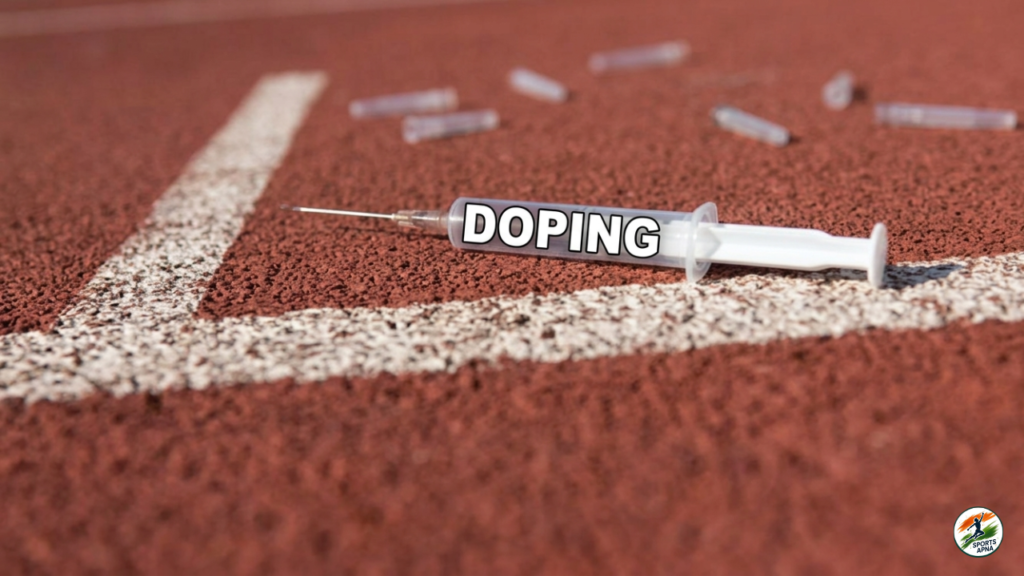
According to the latest report released by the Athletics Integrity Unit, India currently has the highest number of suspended athletes in track and field due to doping violations. This is not just a statistic—it is a warning sign that cannot be ignored.
Where Does the Problem Begin?
The issue is not as simple as it appears.
Behind every doping case, there is often a story—a young athlete with dreams of winning medals, supporting their family, and securing a stable future through sports quotas or government jobs.
But as these athletes progress, the pressure intensifies.
The pressure to perform.
The pressure to get selected.
The pressure to secure a future.
And somewhere along this journey, difficult choices emerge.
In some cases, athletes—and occasionally even those guiding them—resort to shortcuts. These may include the use of contaminated supplements or banned substances, often with the belief that it will enhance performance and increase their chances of success.
The Questions We Must Ask
This situation raises some critical questions:
- Is this solely the responsibility of the athletes?
- Or is there a larger systemic failure at play?
- Are athletes receiving proper education about banned substances?
- Are they fully aware that a single mistake can end their careers?
If awareness programs and regulations already exist, then why do these cases continue to rise year after year?
The Reality of Indian Athletics
India is not short of talent—far from it.
However, when it comes to track and field success at the global level, the results have been limited.
Athletes like Neeraj Chopra have demonstrated what is possible through discipline, dedication, and clean sport. His achievements stand as a benchmark for what Indian athletics can become.
But an important question remains—
Can the future of a nation’s athletics depend on just one or two individuals?
A Growing Concern Beyond Medals
This issue is no longer just about medals.
It is about credibility.
It is about reputation.
It is about the long-term future of Indian sports.
If immediate and effective action is not taken, the consequences could extend far beyond individual bans. It could impact how Indian athletics is perceived globally.
Looking Ahead: The 2036 Olympic Dream
India has ambitions of hosting the 2036 Olympic Games—a moment that could redefine the nation’s sporting identity.
But hosting the Olympics is not just about building world-class stadiums.
It is about building a system that reflects integrity, fairness, and clean competition.
The real question is:
Will India be ready to present not just infrastructure, but a clean and credible sporting ecosystem?